Incident Lawsuit: How a Personal Injury Attorney Can Help You Win in Your Case
Handling an accident lawsuit can be challenging and daunting. A injury counsel plays a vital role in this process. They offer experience in determining compensation and gathering essential evidence. Their expertise are essential for discussing with insurance companies and representing clients in court. Learning how these experts work can significantly shape the outcome of a case. The next steps in this journey underscore the necessity of their aid and mentorship.
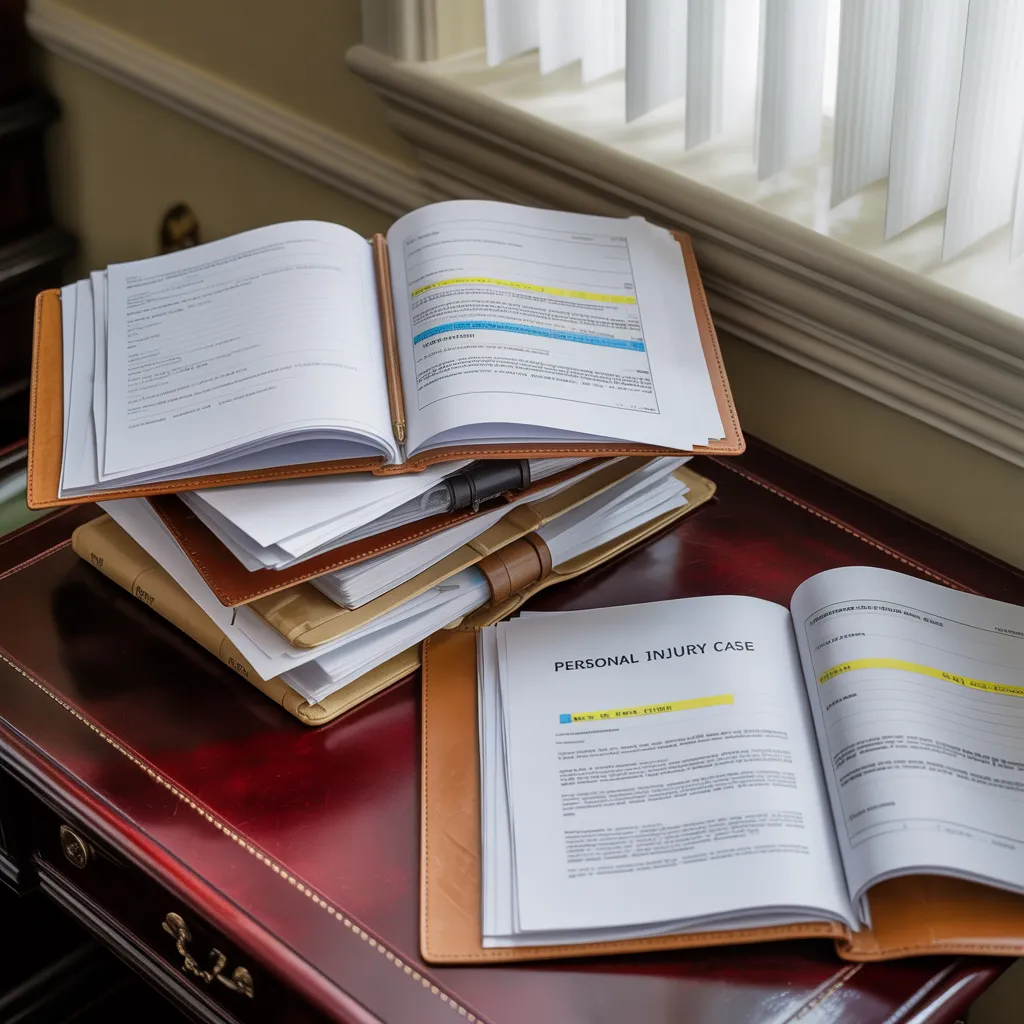
The Significance of Acquiring a Personal Damage Lawyer In the Wake of an Collision
During the time after an incident, people often become overwhelmed by the complications of legal procedures and insurance claims, making it crucial to obtain the expertise of a personal injury attorney. These professionals have a deep understanding of the legal landscape involved in injury claims, which can greatly influence the result of a case. A personal injury attorney can help victims navigate the intricacies of submitting claims, collecting required documentation, and negotiating with insurance companies.
Their background facilitates them to evaluate the total scope of damages, confirming clients gain fair compensation for medical expenses, salary loss, and emotional distress. Additionally, having a lawyer can ease the burden of confronting legal issues, allowing victims to direct their attention on recovery. Ultimately, engaging a personal injury lawyer can prove priceless in winning restitution and ensuring that victims are adequately rewarded in their pursuit of appropriate compensation.
Understanding the Role of a Personal Damage Attorney
A lawyer working in injury law serves as an important champion for victims of accidents, shepherding them through the often frightening court process. Their primary function is to champion victims who have sustained injuries due to the carelessness of others. This involves examining the case, offering advice, and developing a strategy to achieve the finest outcome.
Personal injury attorneys possess specialized knowledge about relevant laws and regulations, allowing them to traverse complex legal systems efficiently. They liaise with insurers, negotiate settlements, and, if necessary, advocate for clients in court. Additionally, they help clients understand their rights and the available damages offered for medical expenses, lost wages, and pain and suffering.
How a Personal Injury Lawyer Gathers Crucial Evidence
A injury lawyer takes on a significant role in assembling essential evidence to enhance a client's case. This activity often comprises collecting witness testimonies and meticulously documenting the location of the accident. These steps are indispensable for establishing liability and strengthening the argument in court.
Witness Evidence Assembly
While the disruption of an accident can be overwhelming, securing witness declarations remains a critical task for injury attorneys. These practitioners understand that accounts from witnesses can yield powerful evidence to support their clients' assertions. To adeptly collect testimony, lawyers often start by recognizing willing witnesses at the scene, such as bystanders or passengers. They then engage in interviews, taking pains to document the details of each account thoroughly. Personal injury lawyers may also utilize recorded statements or written affidavits to lock in the testimony. This method not only strengthens the case but also helps establish sequences and elucidate the events leading to the accident. Ultimately, detailed witness testimony collection can materially influence the outcome of an accident lawsuit.
Capturing Incident Documentation at the Scene
Gathering witness testimony is just one aspect of constructing a strong case following an accident. Documenting the accident scene is equally important, as it provides essential proof that can substantiate claims. A personal injury lawyer carefully collects photographs of the scene, capturing elements such as vehicle positions, road conditions, and any relevant traffic signs. They also gather physical evidence, like debris or skid marks, which can illustrate the dynamics of the incident. Additionally, the lawyer may use diagrams to reconstruct the accident, helping to clarify the sequence of events. By compiling this comprehensive documentation, the lawyer bolsters the client’s case, ensuring that all pertinent facts are presented clearly during negotiations or in court.
Why Qualified Legal Assistance Counts for Your Dispute
In what way can proper attorney knowledge substantially influence the outcome of a injury lawsuit? Legal expertise is essential in working through the intricacies of personal injury cases, as it equips lawyers with the abilities to analyze the particulars of each circumstance. A experienced legal professional understands the intricacies of the legal framework and can determine the most relevant laws and established cases that may impact a claim.
In addition, legal competence enables lawyers to evaluate the worth of a claim accurately, ensuring that clients seek fair compensation. They can also gather and submit required evidence efficiently, which is imperative in establishing liability. Furthermore, veteran attorneys are proficient at anticipating potential obstacles and strategizing accordingly, which can substantially influence the trajectory of a claim. Ultimately, the right legal expertise can turn a seemingly straightforward case into a positive resolution, stressing the importance of professional representation in personal injury lawsuits.
Strategies a Legal Advisor Can Use to Liaise With Insurance Companies
Working with insurance companies involves competence and strategic thinking, and a personal injury lawyer holds an key role in this situation. These attorneys understand the complexities of insurance agreements and the tactics often employed by insurers to minimize payouts. A injury lawyer is able to adeptly assess the price of a complaint, taking into account medical expenses, wage loss, and emotional suffering.
They possess the negotiation abilities needed to make a compelling case to insurance adjusters, ensuring that clients obtain fair compensation. By gathering evidence, such as medical records and witness statements, lawyers bolster their clients' positions.
Additionally, they are capable at countering low initial offers, opposing unfair practices. The lawyer's experience in similar cases allows them to predict the insurer's strategies, making them more powerful during negotiations. Ultimately, their involvement can greatly increase the likelihood of a advantageous settlement, alleviating the stress for the injured party.
Why Lawyer Representation Is Necessary in Court
Moving through the complexities of a court system can be overwhelming, so having legal representation is essential for securing a fair trial. A personal injury counsel possesses the proficiency to navigate legal protocols and grasp nuances that non-lawyers may overlook. They are adept at understanding laws and regulations that can substantially impact the conclusion of a case.
Moreover, legal representation delivers a tactical benefit. Legal professionals how to get the most out of your workforce can craft compelling arguments, present documentation effectively, and contest counter-arguments. Their familiarity with courtroom protocols allows them to foresee opposing strategies and counter them suitably. Additionally, skilled lawyers can manage mental strain, helping clients to concentrate on their healing rather than the intricacies of litigation.
Fundamentally, counsel services not only improves the chances of achieving a favorable verdict but also develops a sense of trust and security for individuals confronting the challenging arena of a courtroom.
What to Anticipate During the Legal Process With Your Attorney
What can individuals expect during the lawsuit process with their lawyer? At the outset, clients will engage in a comprehensive consultation to review the case details and establish a strategy. Following this, the lawyer will gather information, including health documentation and witness statements, to build a strong case.
As the lawsuit continues, parties can expect the filing of legal paperwork, such as the allegation and summons. The other side will respond, and the fact-finding phase will commence, allowing both parties to obtain additional information.
During this process, the lawyer will keep clients notified about events and prepare them for potential settlement discussions or court appearances.
Ultimately, the timeline can vary considerably, but having a skilled lawyer can expedite proceedings and improve the chances of a positive result. Clients should stay calm and rely on their attorney's knowledge during this intricate process.
Commonly Asked Questions
What do the customary fees look like when engaging a Personal Injury Lawyer
Customary charges for engaging a personal injury lawyer generally range from 30% to 40% of the settlement proceeds. Some may assess hourly billing or lump sum fees, subject to the nature of the case's complexity and specific arrangements finalized.
How much time does a personal injury case typically require?
A personal injury claim generally takes anywhere from many months to several years to conclude. Factors influencing the timeline include case complexity, evidence collection, negotiations, and court schedules, which can considerably alter the overall length.
Is It Feasible to Replace Lawyers While My Case Is Ongoing?
Yes, clients can switch lawyers throughout their matter. However, they should consider potential impacts on progress and expenses, as changing may require additional time and could affect the lawyer-client relationship formerly created.
What if My Accident Was Partially My Liability?
If an occurrence was to an extent one's fault, they may still pursue compensation. Most jurisdictions endorse mutual liability, meaning obligation can be joint, potentially reducing the amount issued but not eliminating eligibility for relief.
Is My Case Destined for Trial, or Can We Achieve Resolution?
The decision to accept a settlement or proceed to court depends on multiple considerations, including case strength, negotiation outcomes, and both parties' willingness to compromise. Numerous cases are resolved before trial, while some proceed to court for a final decision.